Contemporary Interior Design Style — A Comprehensive Overview
Fluid • Current • Ever-Evolving
Introduction
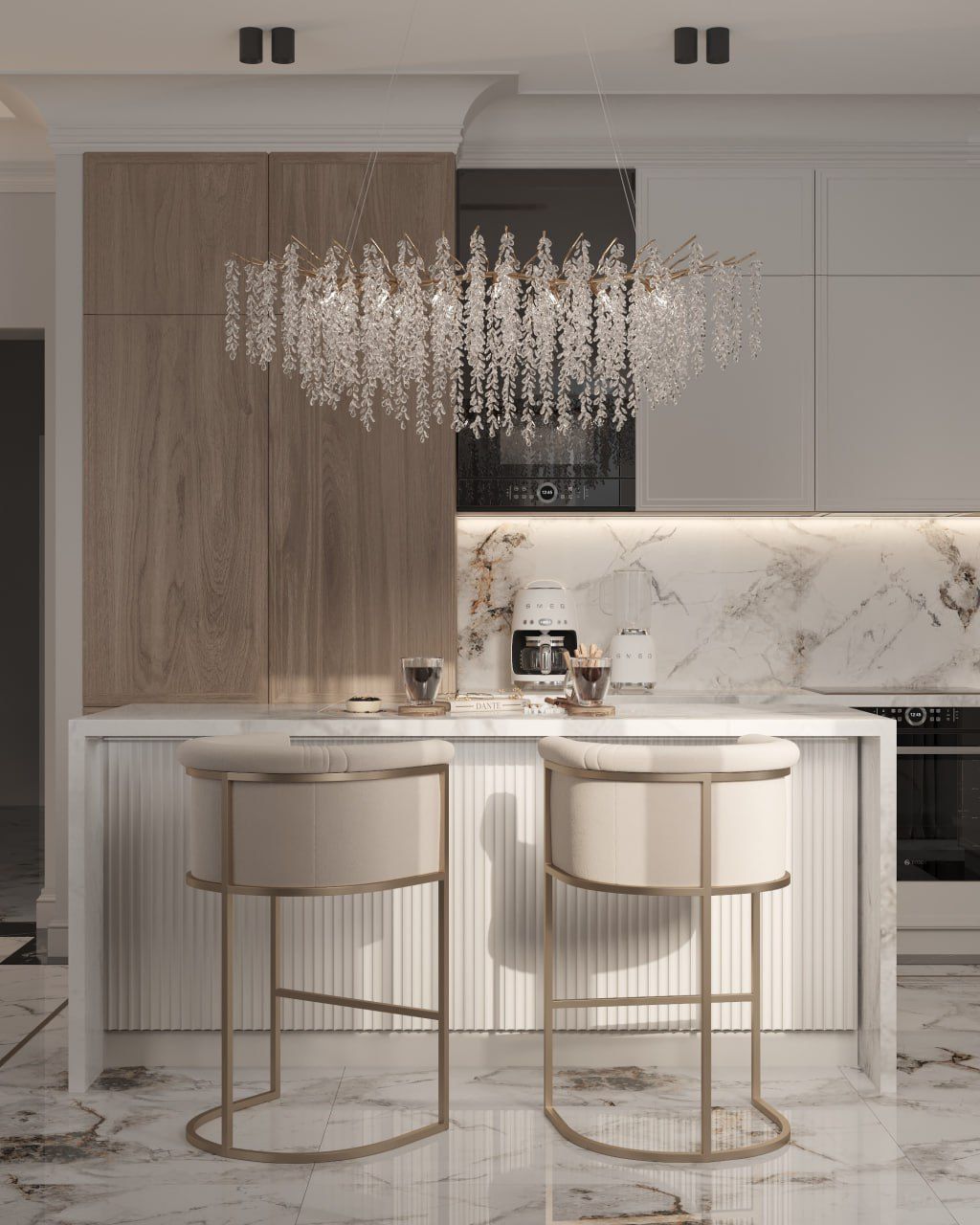
Contemporary interior design represents the style of the present moment. Unlike modern design—which refers to a specific historical movement—contemporary interiors continuously evolve, reflecting current trends, technologies, and lifestyles. It is an ever-changing aesthetic that draws inspiration from various styles, including minimalism, industrial, and even modern design, while embracing innovation and comfort.
Origins and Evolution
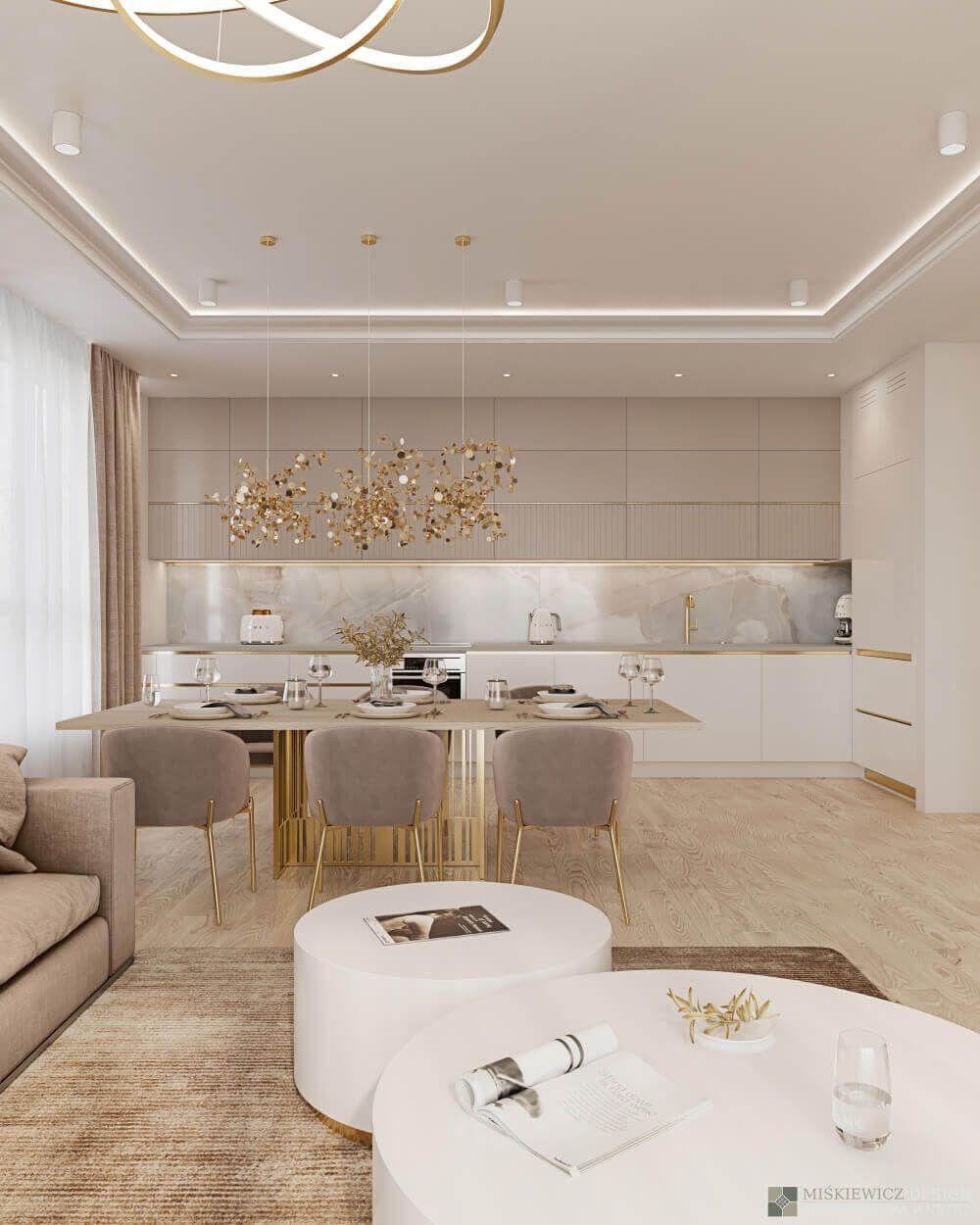
The term “contemporary design” emerged in the latter half of the 20th century as a way to describe what was fashionable at the time. While it borrows elements from modernism, postmodernism, and even futurism, its defining trait is adaptability. Unlike fixed styles, contemporary design evolves alongside social, cultural, and technological changes.
In recent decades, it has incorporated influences from sustainability, smart home innovation, and global design aesthetics—creating interiors that are dynamic, practical, and expressive of today’s world.
Core Philosophy
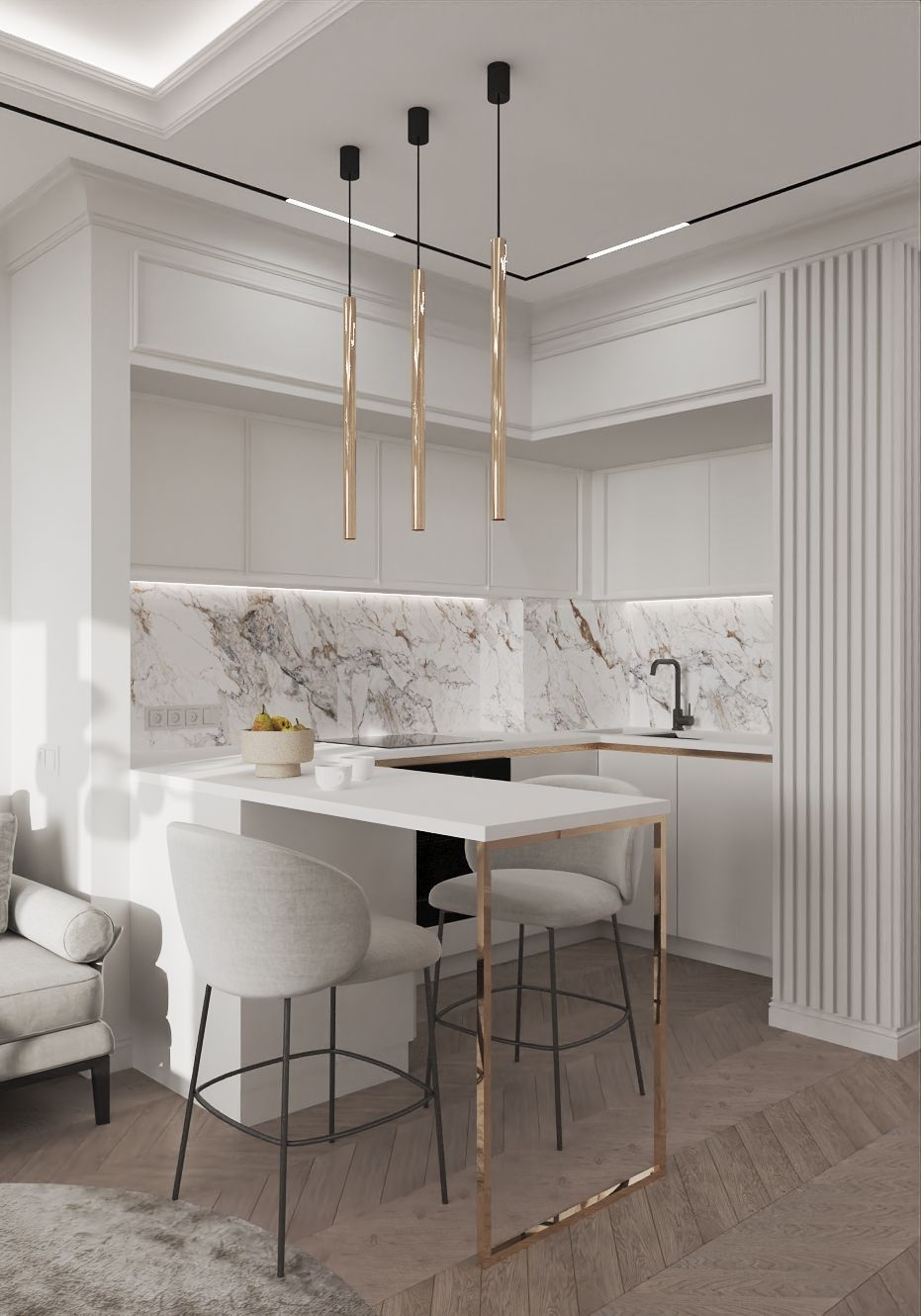
The essence of contemporary design lies in balance, innovation, and individuality. It promotes harmony between minimalism and comfort, focusing on openness, light, and flow. Every element—furniture, color, material—is chosen for its visual and functional impact, yet there’s room for personal expression. Contemporary interiors feel alive and responsive, never static or overly rigid.
Key Characteristics
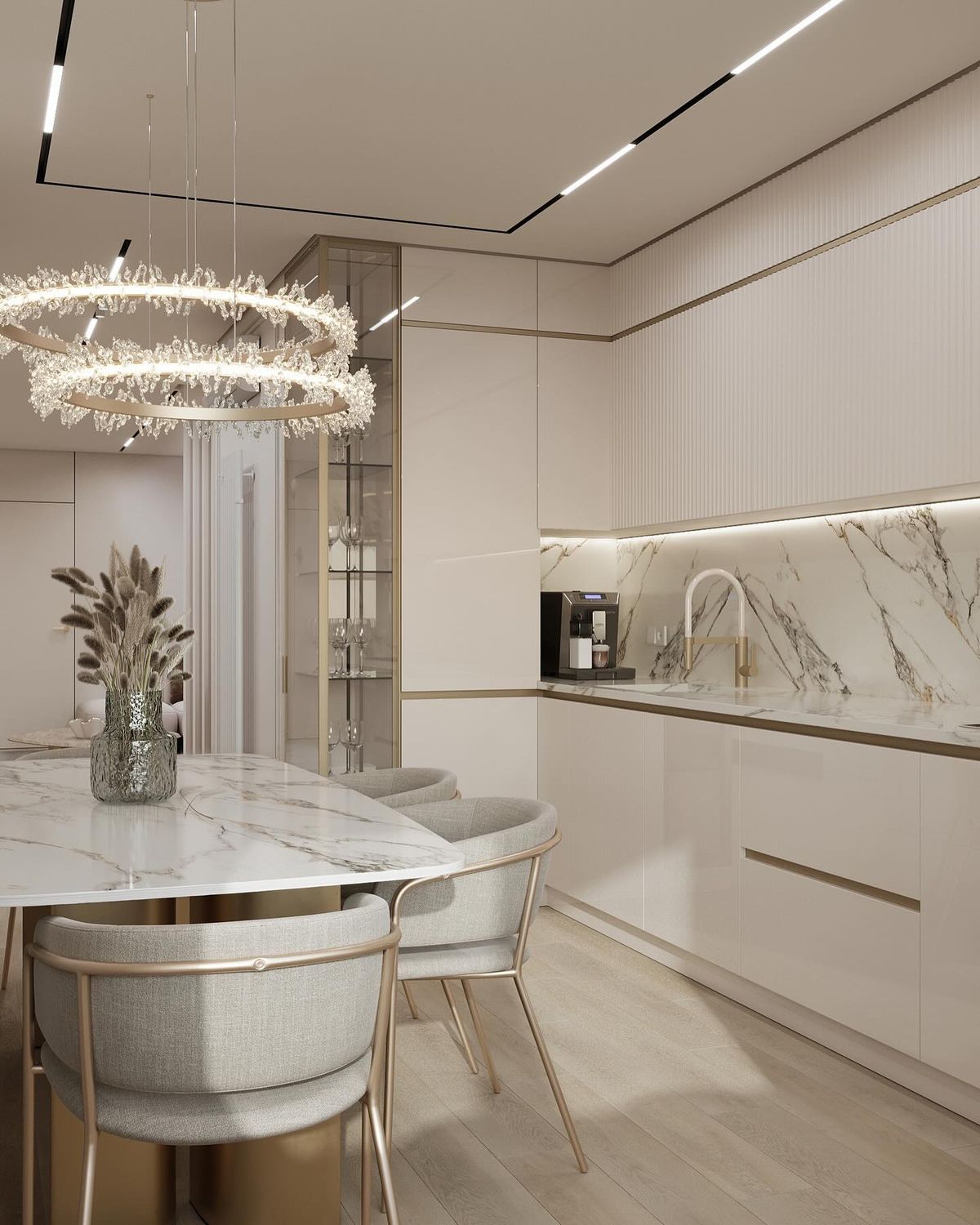
Contemporary interiors feature open layouts, sleek surfaces, and an interplay of textures. Clean lines remain essential, but soft, curved shapes often appear to add warmth and movement. The style embraces asymmetry, artistic lighting, and statement pieces that anchor otherwise simple spaces.
There’s an emphasis on sustainability and technology—energy-efficient lighting, recycled materials, and smart home systems integrate seamlessly into the design.
Color Palette and Materials
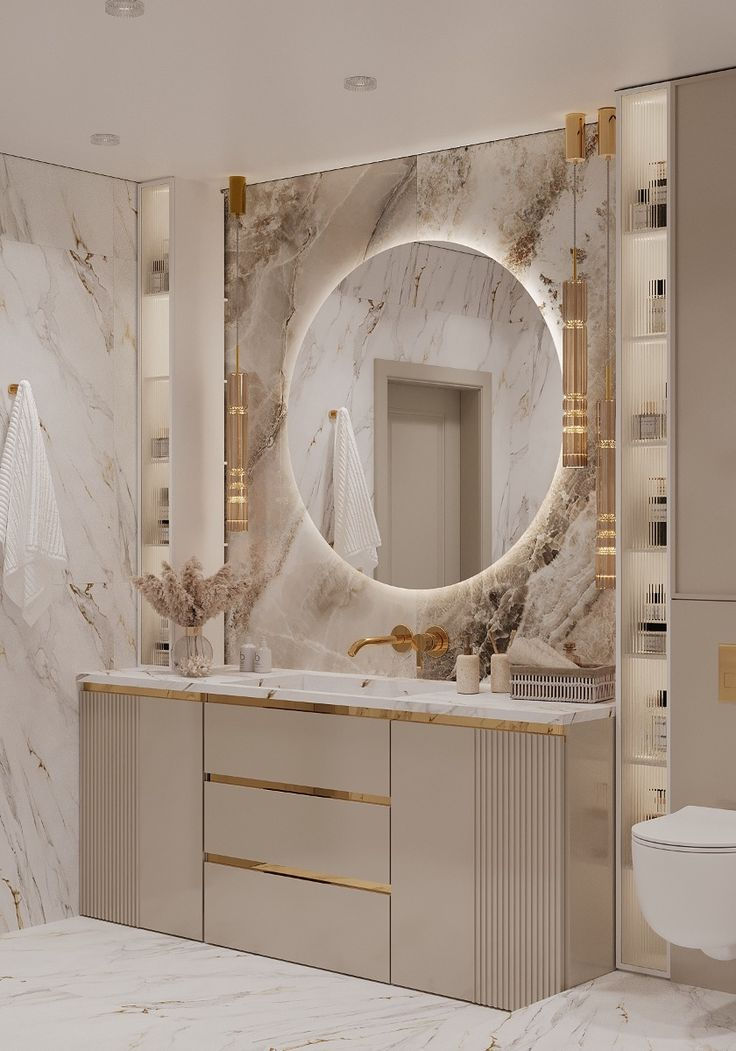
Contemporary color schemes lean toward neutrals—white, gray, taupe, and black—enhanced by bold contrasts or vibrant accents. Texture plays a key role: matte walls meet glossy finishes, smooth metals meet rough stone. Natural materials like wood, bamboo, and wool blend with glass, chrome, and polished concrete, creating a refined balance between organic and industrial aesthetics.
Furniture and Decor
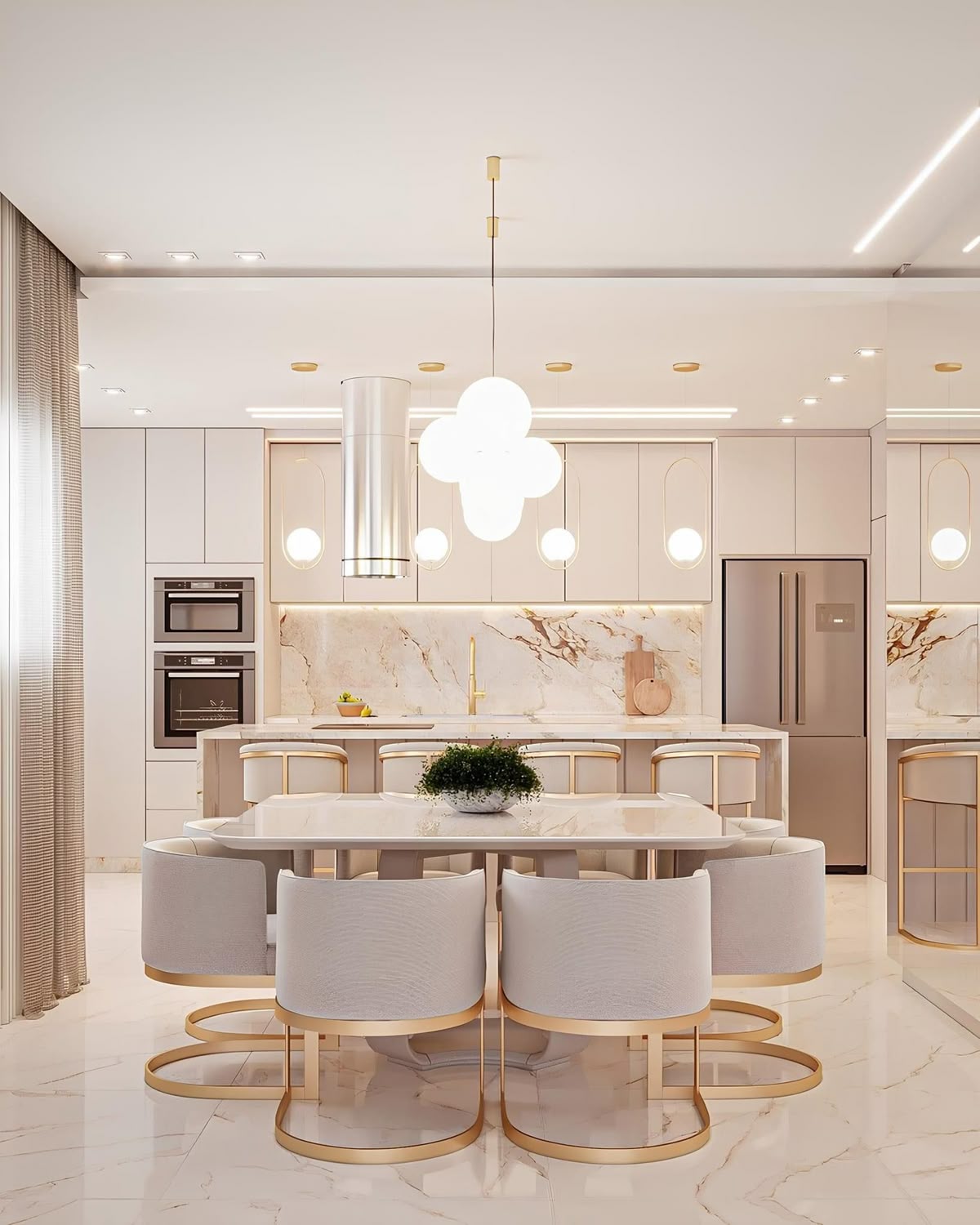
Furniture in contemporary interiors emphasizes comfort and adaptability. Pieces are often modular, lightweight, and sculptural, combining practicality with artistic flair. Upholstery may feature neutral tones with textured fabrics, while decor relies on statement lighting, abstract art, and greenery to inject personality.
Influence and Global Spread
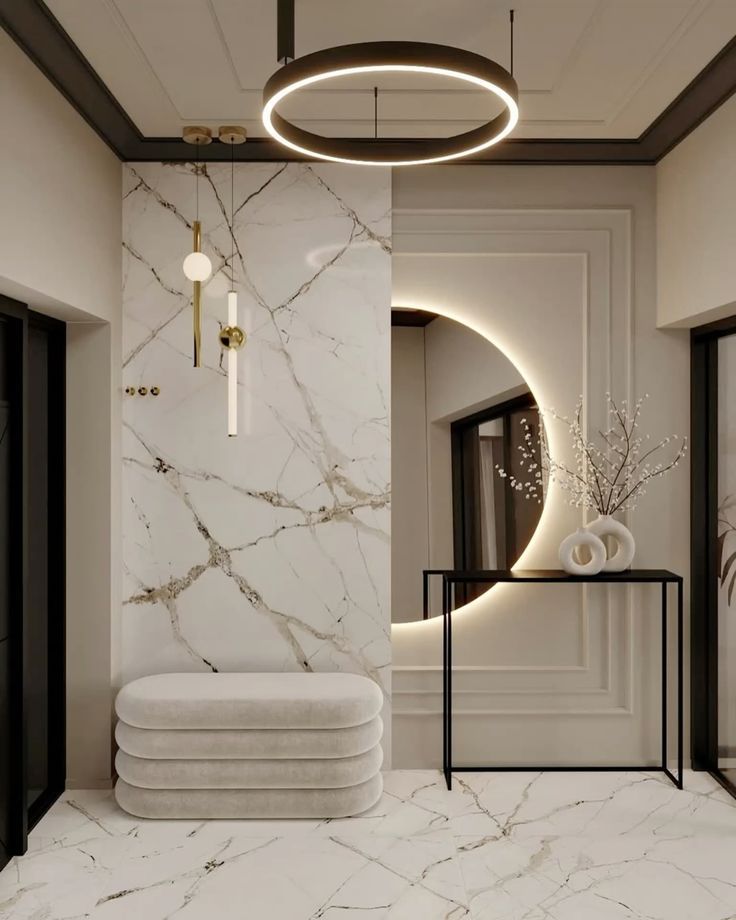
Contemporary design has a global reach, influenced by urban lifestyles, cultural exchange, and digital innovation. From New York lofts to Tokyo apartments, its flexibility allows for localized interpretation—adapting to regional aesthetics while maintaining a cohesive sense of modern sophistication.
Contemporary Design in the Present Context
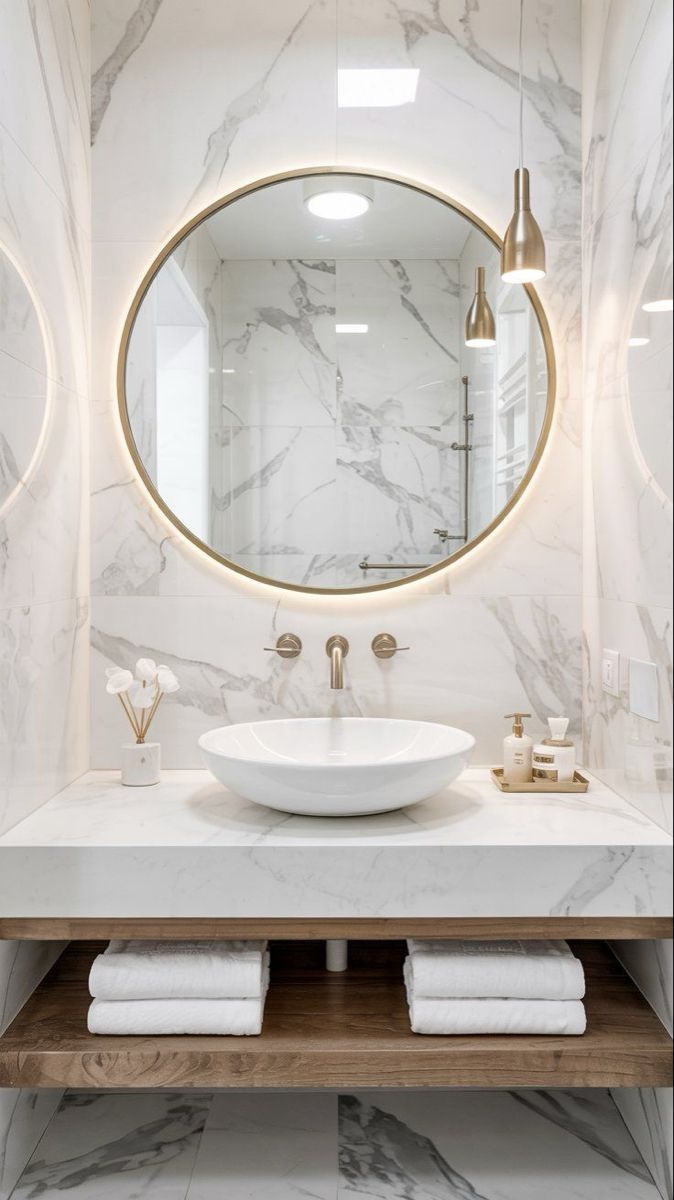
Today’s contemporary interiors prioritize sustainability, wellness, and smart technology. Biophilic design elements like indoor plants and natural light create harmony with nature, while adaptable furniture supports changing lifestyles such as remote work. Contemporary design is ultimately about living beautifully in the now—functional, fluid, and reflective of our evolving world.